Inconsistent meeting room experiences are one of the most common frustrations in modern workplaces. One room works seamlessly, while another struggles with audio, framing, or even starting the meeting. Over time, this inconsistency undermines user confidence and reduces the effectiveness of collaboration technology.
Creating consistency across meeting spaces isn’t about deploying identical hardware everywhere. It’s about designing a predictable, reliable experience that users can trust - regardless of room size.
Start with a standardised meeting experience
Consistency begins with how meetings are started and run. When users enter a room, they should immediately know how to join a meeting without needing instructions or IT support.
Standardising the join experience across rooms ensures familiarity. Whether someone is in a huddle space or a boardroom, the process should feel the same. This reduces hesitation, speeds up meeting start times, and encourages employees to use in-room systems instead of defaulting to personal devices.
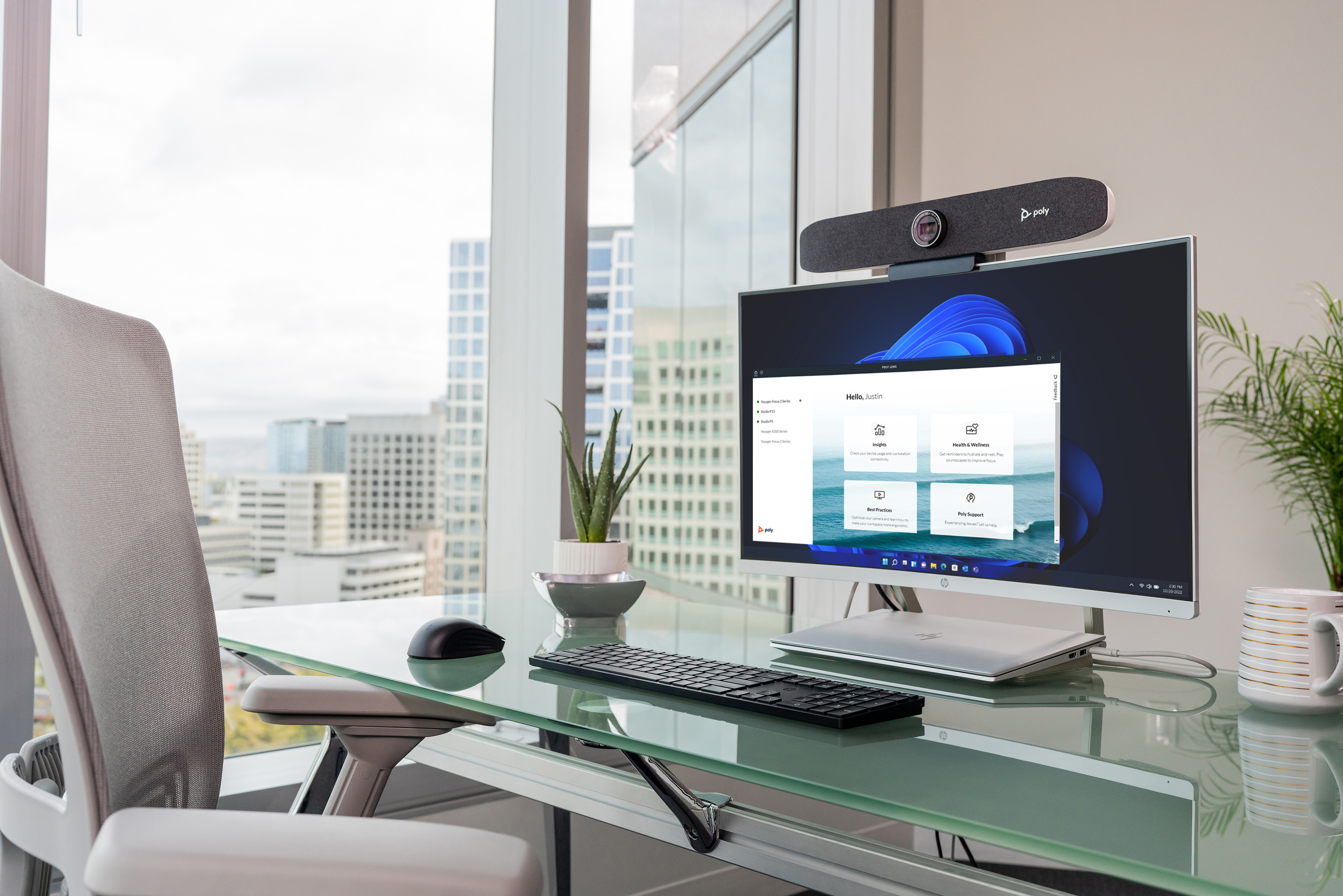
HP | Poly solutions are designed to support this standardised experience across different room types, helping organisations create familiarity without limiting flexibility.
Use scalable technology that adapts to room size
Different rooms have different requirements, but inconsistency often arises when technology does not scale effectively. A camera or audio solution that works well in a small space may struggle in a larger room, creating uneven experiences across the workplace.
Creating consistency means choosing solutions that adapt intelligently. Scalable camera systems, flexible audio pickup, and intelligent framing help ensure that participants are seen and heard clearly regardless of room size or layout. HP | Poly supports consistency, offering solutions that maintain the same experience across huddle rooms, medium spaces, and boardrooms without forcing a one-size-fits-all approach.
Align camera and audio behaviour across rooms
Consistency is as much about behaviour as it is about technology. When cameras frame speakers differently from room to room, or audio behaves unpredictably, users lose confidence quickly.
Aligning camera behaviour, such as automatic framing and speaker tracking, helps meetings feel familiar. Similarly, consistent audio performance ensures conversations flow naturally, without remote participants asking people to repeat themselves.
By using a cohesive ecosystem rather than mixing unrelated systems, organisations can reduce these variations and create more predictable meeting experiences.
Centralise management to maintain consistency over time
Consistency doesn’t end at deployment. Without ongoing monitoring and management, meeting rooms can drift out of alignment as updates, configuration changes, or new rooms are added.
Centralised management allows IT teams to maintain consistent performance across all spaces. Firmware updates, configuration changes, and issue resolution can be handled efficiently, helping ensure that rooms behave the same way long after installation.
HP | Poly solutions are designed with IT teams in mind, supporting ongoing management and long-term reliability across entire meeting room estates.
Build consistency into future growth
As organisations expand or redesign offices, new meeting spaces are often introduced quickly. Without a consistent framework, these additions can create fragmentation.
Building consistency into the foundation makes it easier to scale. New rooms can be added with confidence, knowing they will deliver the same experience users already trust. This approach supports hybrid work strategies that evolve over time rather than becoming outdated.
The measurable impact of consistent meeting spaces
When consistency is intentional, the benefits are immediate. Meetings start faster, support requests decrease, and users engage more confidently with meeting room technology. Remote participants feel more included, and collaboration becomes smoother across locations.
Over time, this consistency drives higher adoption and stronger return on investment.
The takeaway
Creating a consistent meeting room experience requires more than standardising hardware. It involves aligning user experience, camera and audio behaviour, scalable technology, and long-term management.
By taking a thoughtful, scalable approach, supported by HP | Poly, organisations can create meeting spaces that feel familiar, reliable, and effective everywhere, from huddle rooms to boardrooms.
Last updated: 18/03/2026
Grace Tran - Marketing & Communications Manager