By 2026, hybrid work is fully embedded into how organisations operate. Teams are distributed, office footprints are evolving, and collaboration happens across multiple locations, time zones, and platforms. In this environment, ensuring every participant can see, hear, and contribute equally isn’t optional - it’s essential for productivity, engagement, and workplace culture.
This is where HP | Poly continues to play a defining role. Through intelligent hardware design, AI-driven experiences, and enterprise-grade reliability, Poly is helping organisations move beyond “functional” meetings and into truly equitable collaboration.
Why meeting equity matters more than ever in 2026
As hybrid work matures, the cost of poor collaboration becomes clearer. Organisations are now measuring meeting quality not just by uptime, but by:
- Participation levels across in-room and remote users
- Employee engagement and inclusion
- Speed and quality of decision-making
- Reduction in meeting fatigue
- Accessibility for diverse teams and roles
When remote participants struggle to hear, can’t see speakers properly, or feel disconnected from the conversation, productivity suffers - and so does culture.
In 2026, meeting equity is no longer about “supporting remote workers”. It’s about creating one shared experience for everyone, regardless of location.
From bad audio to camera chaos, discover how HP | Poly solves the biggest meeting room pain points.
How HP | Poly is enabling the next generation of meeting equity
1. DirectorAI Multi-Camera Intelligence
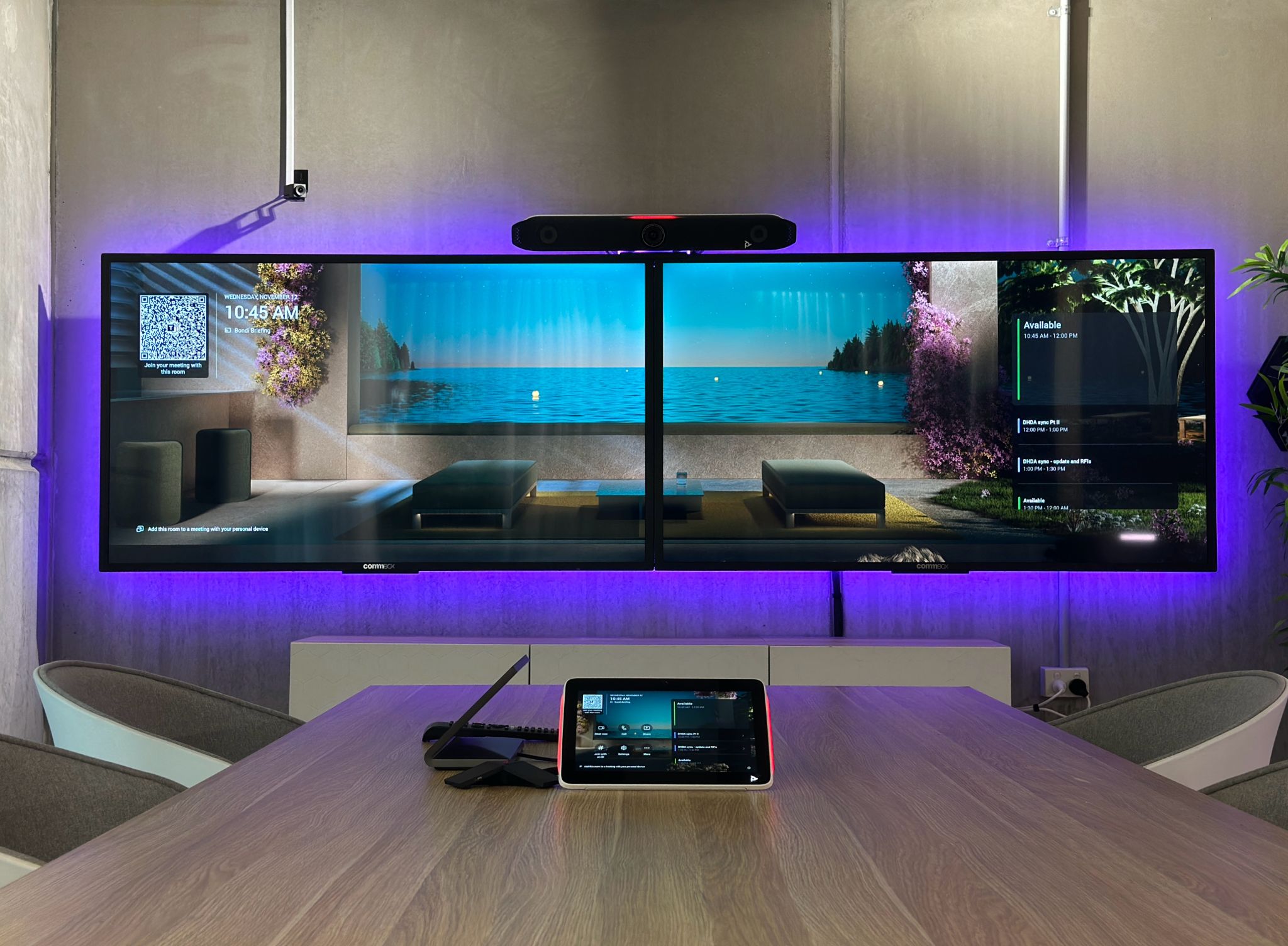
DirectorAI now feels less like a feature and more like a standard expectation. With real-time speaker tracking, dynamic framing, and intelligent transitions, meetings feel natural and engaging for remote participants - without awkward camera behaviour or manual control.
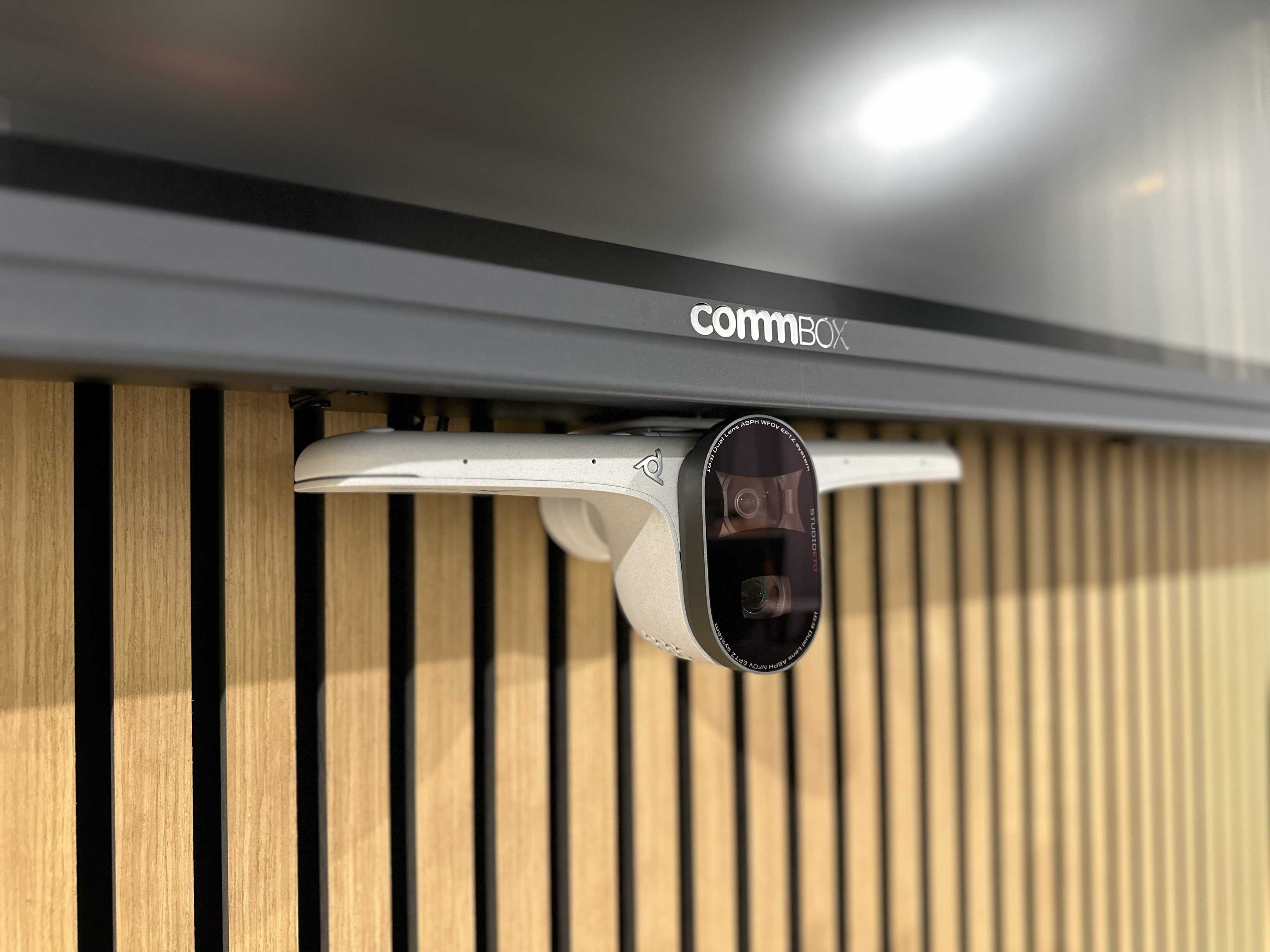
2. Studio E70 and X72 for Enterprise Spaces
Large meeting rooms and boardrooms present the biggest equity challenge. Poly’s dual-lens cameras and AI-driven optics ensure everyone in the room is visible, regardless of seating position or room layout.
3. Advanced Acoustic Engineering
Poly’s audio technology continues to set the benchmark. NoiseBlockAI, Acoustic Fence, and beamforming microphones create a clean, focused audio environment where remote participants hear conversations as clearly as those in the room.
4. Automatic People and Speaker Framing
Instead of static wide shots, Poly devices intelligently highlight active contributors. This creates a more conversational, human experience that mirrors in-person interaction.
5. Cross-Platform Collaboration
In 2026, most organisations operate across Microsoft Teams, Zoom, and BYOD workflows. Poly’s platform-agnostic design ensures consistent experiences regardless of which platform is used, a critical factor for modern enterprises.
6. Poly Lens Insights for Smarter Spaces
Poly Lens provides analytics on room usage, device performance, and meeting behaviour. These insights allow organisations to continuously optimise their collaboration environments based on real data, not assumptions
When meeting equity is done well, organisations see measurable outcomes in higher engagement from distributed teams, more inclusive discussions and decision-making, stronger collaboration culture, reduced frustration and meeting fatigue, and improved ROI on workplace technology investments.
The industry shift: from hybrid enablement to experience design
The conversation has moved beyond “enabling hybrid work.” In 2026, the focus is on designing high-quality experiences.
Enterprises are no longer asking:
“Can our people join remotely?”
They’re now asking:
“Does our collaboration experience feel fair, natural, and effective for everyone?”
HP | Poly stands out in this space because its products are built around human interaction, not just technical specifications. The result is collaboration technology that fades into the background and lets people focus on the conversation.
Meeting equity becomes a competitive advantage, not just a technical feature.
Meeting equity is now a permanent pillar of modern workplace strategy. And as hybrid work continues to evolve, organisations need collaboration tools that deliver more than connectivity, they need tools that deliver presence, clarity, and inclusion.
HP | Poly is redefining what collaboration standards look like in 2026, helping organisations create meeting experiences where every voice is heard, every participant is seen, and every meeting feels genuinely productive.
If your workplace is rethinking collaboration, refreshing its meeting rooms, or looking to design more inclusive hybrid experiences, Merge can help you build a future-ready environment powered by HP | Poly.
Contact us to speak with a collaboration specialist.
Last updated: 28/01/2026
Grace Tran - Marketing & Communications Manager